
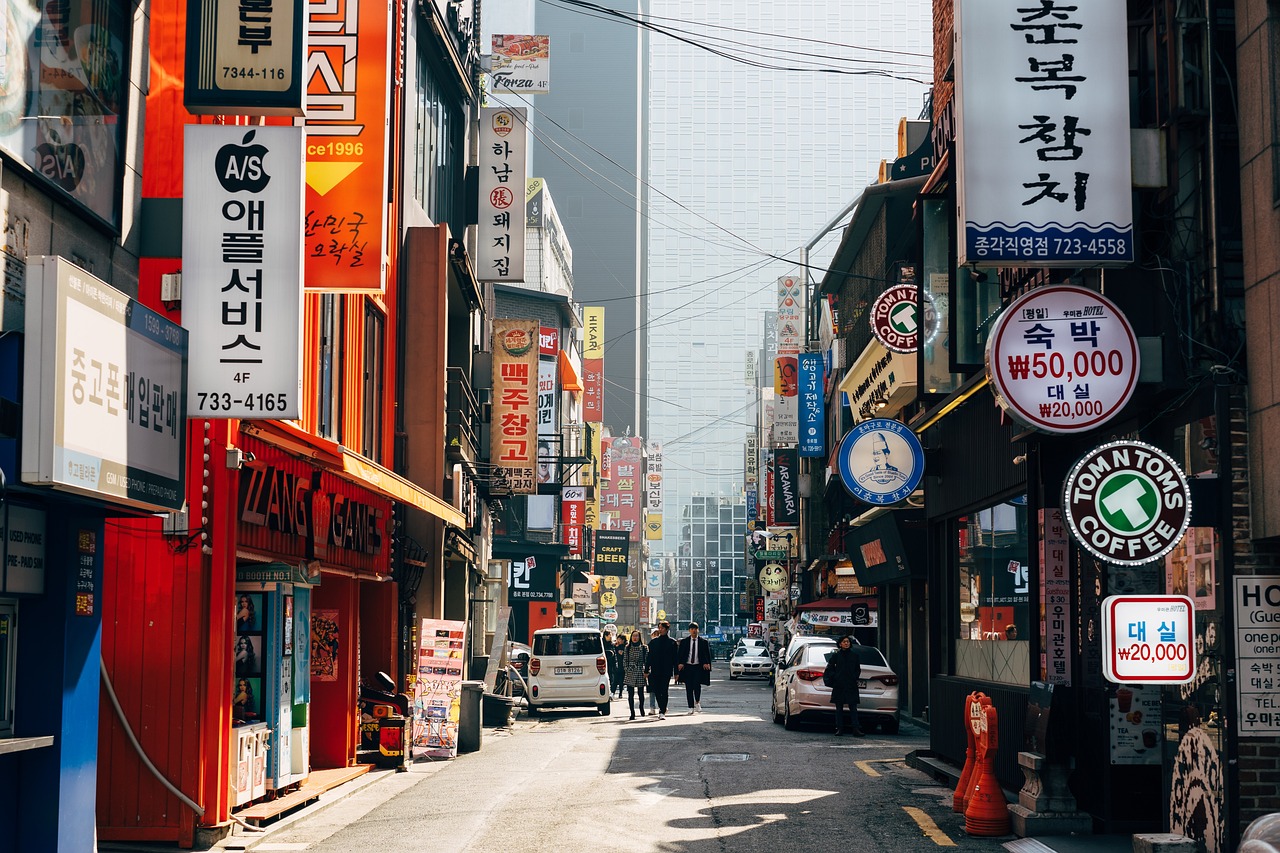
Teach English in South Korea
Experience modern technology alongside rich traditions while teaching English in one of Asia's most popular destinations
Average Salary
₩2.1 - 2.7 million
Monthly salary + benefits
Teaching Hours
22-30
Hours per week
Term Length
12 Months
Standard contract
Peak Hiring
Feb-Apr
For August/September start
Teaching English in South Korea
South Korea offers some of the best benefits for English teachers in Asia, with excellent salaries, free housing, airfare reimbursement, and paid vacation. The country's blend of modern conveniences and traditional culture creates a stimulating environment for teachers. With structured programs like EPIK and a thriving private academy sector, South Korea remains one of the most sought-after destinations for ESL teachers worldwide.
Requirements
Bachelor's degree (any field)
Native English speaker
Clean criminal record check
TEFL certification (recommended)
Passport from eligible country
Good health (medical check required)
Types of Teaching Jobs
EPIK Program (Public Schools)
Government program placing teachers in public schools across South Korea.
- ₩1.8-2.7 million/month
- Free housing provided
- Airfare reimbursement
- National health insurance
Hagwons (Private Academies)
Private after-school academies found throughout South Korea.
- ₩2.1-2.8 million/month
- Housing stipend/accommodation
- Evening/weekend hours
- Year-round start dates
Ready to Teach in South Korea?
Browse current openings and find your ideal position
How to Apply
- 1
Choose Your Program
Decide between EPIK or hagwon positions
- 2
Prepare Documents
Gather degree, background check, and certifications
- 3
Apply Early
Submit applications 4-6 months before start date
- 4
Visa Process
Obtain E-2 teaching visa before arrival
Featured Jobs
Helpful Resources
Disclaimer: The information provided in this guide is accurate at the time of publication. However, teaching requirements, visa regulations, and employment conditions in South Korea may change over time. We recommend verifying current information with official sources such as the Korean embassy or consulate in your country before making any decisions about teaching abroad.